Top Weight-Loss Breakthroughs of 2025: What Science Reveals About the Future of Fat Loss and Health
Find out cutting-edge research on GLP-1 medications, intermittent fasting protocols, Zone 2 cardio training, and personalized nutrition strategies that are revolutionizing weight management
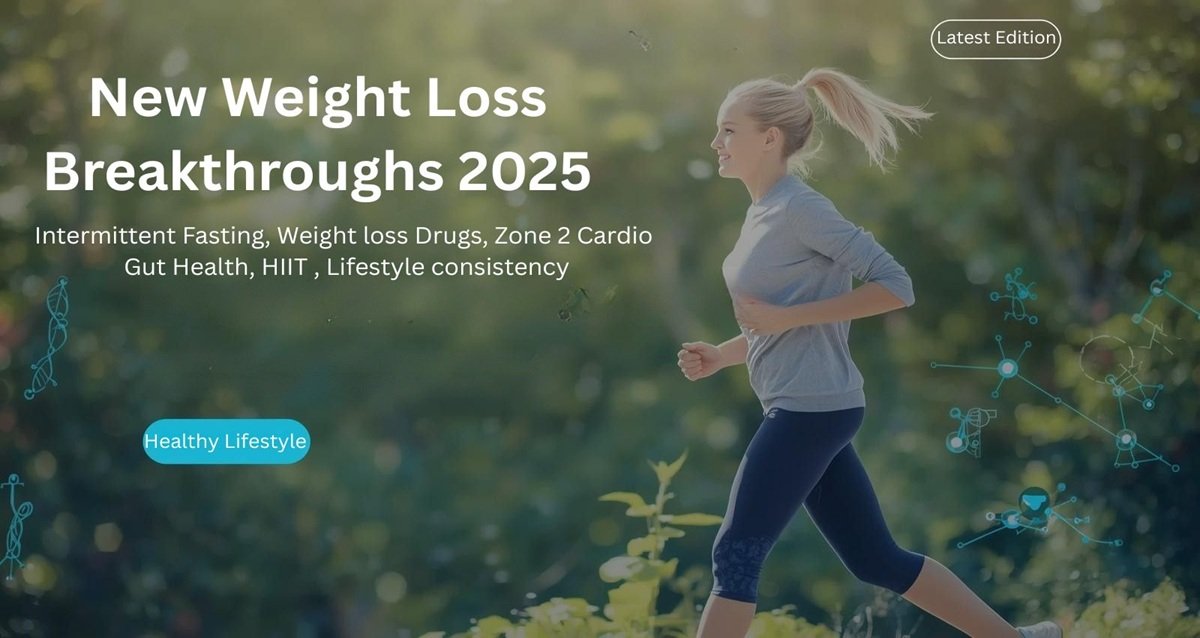
New Weight Loss trends aren’t about quick fixes anymore. Instead, science has proven what our bodies genuinely need. The latest 2025 weight loss drug research shows amazing advances with GLP-1 and GIP therapies. Meanwhile, intermittent fasting results in 2025 reflect smarter, more sustainable approaches to fat loss.
Additionally, studies comparing HIIT vs steady-state cardio in 2025 confirm that slow and steady often wins. Understanding your zone 2 heart rate helps burn fat efficiently without exhaustion. Furthermore, these insights prove that real transformation comes through moderate, consistent effort.
Beyond the scale, the health benefits of weight loss extend far beyond appearance. In fact, they transform what staying healthy for life actually means.
Next-Gen Medications: 2025 Weight Loss Drug Research Breakthroughs

The pharmaceutical landscape of 2025 is dominated by GLP-1 and GIP receptor agonists. These medications deliver breakthrough weight loss results. Notably, Semaglutide (Wegovy and Ozempic) and Tirzepatide (Zepbound and Mounjaro) are leading this revolution.
Clinical Trial Results
A direct comparison study shows tirzepatide’s superior efficacy. Specifically, it achieved 20.2% body weight reduction over 72 weeks. In contrast, semaglutide reached 13.7%. The New England Journal of Medicine study provides detailed evidence supporting these outcomes.
Real-World Effectiveness
Real-life data reveals slightly more moderate results. For instance, semaglutide produces 14.1% weight loss in practice. Similarly, tirzepatide achieves 16.5% over one year. Cleveland Clinic research emphasizes that lifestyle changes amplify these results.
Complementary Approaches for Women
While medications provide powerful support, women may also benefit from targeted nutritional supplementation. Therefore, for comprehensive guidance on evidence-based supplements specifically designed for female metabolism and hormonal balance, explore our detailed guide on Best supplements for Weight Loss for Females.
If you’re exploring how eating patterns support medication results, check out our easy guide: Diet vs Exercise for Fat Loss: The Truth About Your Weight.
Intermittent Fasting Results 2025: Smarter Fat Loss Approaches
Intermittent fasting remains a hot topic in 2025 weight-loss discussions. New studies show it works comparably to traditional calorie restriction. Moreover, it may help lower LDL cholesterol and improve metabolic health.

Popular Fasting Protocols
Three Effective Methods
- 16:8 Method — Fast for 16 hours, then consume all meals within an 8-hour window
- 5:2 Approach — Eat normally five days weekly, restrict to 500-600 calories on two non-consecutive days
- Alternate-Day Fasting — Switch between regular eating days and fasting or very low-calorie days
💡 FAQ: What is the best intermittent fasting schedule for women to lose weight?
Women’s bodies react differently to fasting due to hormonal variations. Common schedules include 16:8, 14:10, or 12:12 for beginners. Therefore, it’s best to start slowly with nutritious meals. Additionally, consult a doctor if you’re unsure. Consistency and listening to your body matter most.
Scientific Evidence
A detailed Harvard School of Public Health review reveals that intermittent fasting can reduce body weight, BMI, and LDL cholesterol more effectively than conventional diets.
Personal Journey: The 16:8 Experience
My 16:8 Transformation
The first three days were challenging due to hunger pangs. However, by day five, remarkable changes emerged. Mental clarity increased significantly, food cravings decreased dramatically, and energy levels remained steady throughout the day.
Critical Insight: Fasting creates the framework, but food quality determines results. Focus on whole, nutrient-dense foods during eating windows.
Zone 2 Cardio Benefits: Slow Workouts That Actually Work

Zone 2 cardio stands as one of 2025’s biggest fitness surprises. This low-intensity, steady exercise burns fat effectively. Moreover, it improves metabolism in ways high-intensity workouts alone cannot.
Calculate Your Zone 2 Heart Rate
Zone 2 Heart Rate Calculator
Calculate your optimal Zone 2 training heart rate using this simple formula:
Example: For a 40-year-old: (220 – 40) = 180 × 0.6 to 0.7 = 108-126 bpm target range
💡 FAQ: How do I calculate my zone 2 cardio heart rate for optimal fat burning?
Zone 2 cardio improves cardiovascular fitness while burning fat efficiently. To find your heart rate, use this formula: (220 − your age) × 0.6 to 0.7. For example, at age 30: (220 − 30) × 0.6 = 114 bpm and × 0.7 = 133 bpm. Maintain your heart rate in this range for 30–60 minutes. Exercise at a pace where you can still talk comfortably.
Scientific Support
Research confirms that Zone 2 cardio excels at fat burning. Additionally, it strengthens mitochondria (your cells’ energy factories) and improves insulin sensitivity. Studies on PubMed demonstrate that steady, low-intensity exercise enhances metabolic adaptation and efficiency.
Optimal Training Protocol
Balanced Weekly Schedule
For maximum results, integrate Zone 2 cardio with complementary training:
- → Zone 2 Cardio: 3-4 sessions weekly, 45-60 minutes per session
- → HIIT Training: 2 sessions weekly, 20-30 minutes per session
- → Strength Training: 2-3 sessions weekly, full-body or split routines
Beginner’s Training Schedule
💡 FAQ: What is the most effective HIIT and strength training schedule for beginners?
A balanced schedule alternates HIIT and strength workouts. Here’s an example for beginners:
- Monday: HIIT 20–30 min
- Tuesday: Strength (full-body) 45–60 min
- Wednesday: Rest or light cardio
- Thursday: HIIT 20–30 min
- Friday: Strength (full-body) 45–60 min
- Saturday: Optional light activity
- Sunday: Rest
Adjust intensity gradually. Ensure proper recovery to prevent injury.
Documented Benefits
Proven Results Include: Enhanced cardiovascular fitness, preserved muscle mass, and improved energy metabolism. Furthermore, reduced post-exercise fatigue and sustained energy levels throughout the day.
Gut Health and Personalized Nutrition
The gut microbiome represents one of 2025’s biggest health discoveries. Your digestive system hosts trillions of microorganisms. These helpers influence food metabolism, nutrient absorption, immune function, and weight management.

Research Breakthroughs
Exciting research demonstrates that certain gut bacteria, combined with acetate supplements, can reduce body fat. They also decrease liver fat in studies. ScienceDaily reports indicate that targeting the gut microbiome offers powerful health improvements.
AI-Guided Personalization
New clinical trials using AI-guided personalized nutrition plans show promising results. These approaches improve gut bacteria balance and lower triglyceride levels. Research on PubMed supports customizing diets based on individual gut microbiome profiles.
Practical Implementation
Evidence-Based Strategy
Enhance your gut microbiome through these dietary modifications:
- ✓ Consume diverse fiber-rich vegetables, legumes, and whole grains
- ✓ Incorporate fermented foods like yogurt, kefir, kimchi, and sauerkraut
- ✓ Minimize processed foods and added sugars
- ✓ Consider prebiotic-rich foods such as garlic, onions, and asparagus
💡 FAQ: What is the gut microbiome and why does it matter for nutrition?
The gut microbiome consists of trillions of bacteria in your digestive system. These bacteria affect digestion, immunity, mood, and nutrient absorption. Maintaining gut balance helps with weight management, energy, and metabolism. Therefore, eating varied fiber-rich and fermented foods keeps your gut healthy.
Future Outlook
Looking Ahead: Personalized nutrition based on gut bacteria analysis could revolutionize health. It especially helps people struggling with weight plateaus or unresponsive metabolism.
Health Benefits of Weight Loss 2025

Losing just 5–10% of body weight produces significant health benefits. These improvements extend beyond appearance—they genuinely enhance bodily function. Studies confirm that even small, sustainable weight loss improves multiple health areas.
Measurable Health Improvements
Comprehensive Health Transformations
Multi-System Benefits
Weight loss produces cascading improvements across physiological systems:
- Metabolic Health: Enhanced insulin sensitivity, improved glucose regulation, optimized lipid profiles
- Cardiovascular Function: Reduced blood pressure, decreased triglycerides, improved arterial flexibility
- Inflammation Markers: Lower C-reactive protein, reduced systemic inflammation, enhanced immune function
- Sleep Architecture: Deeper sleep cycles, reduced sleep apnea, improved circadian rhythm regulation
- Joint Health: Decreased mechanical stress, reduced pain, improved mobility and functional capacity
Personal Experience
Lifestyle Consistency vs Clinical Trials

Cleveland Clinic research reveals an important finding. Real-life results often differ from clinical trial outcomes. However, this doesn’t reflect medication ineffectiveness—it highlights the critical importance of consistent healthy habits.
The Lifestyle Amplifier Effect
Small Habits, Big Results
Small, consistent daily habits create multiplicative results. When combined strategically, fundamental lifestyle modifications amplify outcomes:
- → Regular physical activity (resistance + cardiovascular training)
- → Mindful eating practices and portion awareness
- → Consistent sleep schedule (7-9 hours nightly)
- → Stress management techniques (meditation, breathing exercises)
- → Hydration maintenance and reduced alcohol consumption
Building Daily Consistency
💡 FAQ: How do you build consistency in daily eating habits?
Begin by setting realistic meal times and focusing on nutrient-rich foods. Try meal prepping, controlling portions, and tracking habits. Avoid strict diets—make small, manageable changes instead. Over time, these consistent choices boost metabolism, energy, and overall health. Consistency matters more than perfection.
Critical Understanding
The Bottom Line: Medications and diet plans provide guidance and support. However, lasting change stems from daily habits. Daily follow-through matters more than having a perfect plan. That’s what drives long-term success.
Best Practices Summary 2025
| Method | Evidence Strength | Optimal Implementation |
|---|---|---|
| GLP-1 / GIP Drugs | ★★★★★ | Combined with balanced nutrition and regular exercise for sustained results |
| Intermittent Fasting | ★★★★☆ | Focus on whole, nutrient-dense foods during eating windows; prioritize protein intake |
| Zone 2 Cardio + Strength | ★★★★☆ | 4-5 sessions weekly combining low-intensity cardio with resistance work |
| Gut Health / Precision Nutrition | ★★★☆☆ | Emerging field; shows promise for personalized metabolic optimization |
| Lifestyle Consistency | ★★★★★ | Daily micro-habits compounded over time produce transformative long-term outcomes |
Key Takeaways
- 2025 weight loss drug research demonstrates powerful support. However, lifestyle habits sustain and amplify results over time
- Intermittent fasting results in 2025 confirm flexible eating schedules produce comparable outcomes when properly implemented
- Zone 2 cardio benefits include enhanced fat metabolism, improved mitochondrial function, and sustained energy levels
- Eating varied fiber-rich foods maintains healthy gut bacteria, enabling personalized nutrition with remarkable results
- Small, steady daily actions work better than occasional perfection. Real progress comes from consistency, not perfection
Final Thoughts

No One-Size-Fits-All Solution
Research in 2025 confirms there’s no universal solution for weight management. New medications like GLP-1 and GIP offer unique benefits. Meanwhile, intermittent fasting improves energy efficiency. Additionally, Zone 2 cardio supports steady fat burning. Together, these approaches create a comprehensive, effective weight management plan.
The Role of Daily Habits
These treatments work best when combined with consistent daily habits. Research shows medications provide the initial push. However, everyday choices determine actual progress.
The Path Forward
Sustainable Transformation
Sustainable transformation requires abandoning perfection. Instead, pursue persistent progress:
- → Experiment with evidence-based approaches to discover personal optimization
- → Maintain curiosity and adaptability as research evolves
- → Trust the compounding effect of small daily improvements
- → Celebrate non-scale victories: energy, sleep quality, mood, strength
- → Remember that consistency, not intensity, creates lasting transformation
Your Personal Journey
Progress doesn’t require perfection—it just needs consistency. Keep learning and stay open to science-backed strategies. Trust the process and remember your journey is unique. What works best for you may differ from others. Nevertheless, one truth applies universally: lasting success comes from small, manageable daily improvements sustained over time.
Ready to Transform Your Health?
Explore comprehensive guides on nutrition optimization, exercise programming, and evidence-based weight management strategies
Discover More Weight Loss Insights